
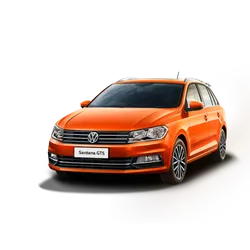
Volkswagen Santana Generation 2 Facelift 2008 Overview
Discover the Volkswagen Santana Generation 2 Facelift 2008, a remarkable car model known for its style and performance, available in Portugal today.

The Volkswagen Santana, a name synonymous with reliability and practicality, underwent a significant transformation with its second generation, particularly with the facelift in 2008. Originally i...
History and Features
Mycarro AI
Apr 27, 2025
The Volkswagen Santana, a name synonymous with reliability and practicality, underwent a significant transformation with its second generation, particularly with the facelift in 2008. Originally introduced in 1981, the Santana has seen several iterations, but the second generation's updates made it stand out in the competitive mid-size sedan category. This article explores the key features, design changes, and performance enhancements that characterized the 2008 facelift of the Volkswagen Santana.
Design and Exterior Changes
The facelifted Volkswagen Santana showcased a more modern and contemporary design, aligning with the aesthetics of the time. The most noticeable changes included a redesigned front fascia, featuring a new grille that was wider and sportier, flanked by sleek, elongated headlights that contributed to a more aggressive stance. The bumpers were also updated to integrate smoothly with the overall design, providing a more cohesive look. The rear of the vehicle featured modified tail lights that complemented the new front design, enhancing the overall symmetry of the car.
In addition to the aesthetic changes, the 2008 Santana also benefited from improved aerodynamics, which contributed to better fuel efficiency and reduced wind noise. The overall shape of the car retained its classic sedan silhouette but embodied a more refined finish, appealing to both younger and older car buyers.
Interior Enhancements
Stepping inside the 2008 Santana, occupants were greeted with a more sophisticated cabin that emphasized comfort and functionality. The interior layout featured higher-quality materials and finishes, embodying Volkswagen's commitment to craftsmanship. Soft-touch surfaces, upgraded upholstery, and improved ergonomics made the driving experience more enjoyable. Notable updates included a redesigned dashboard with a modern infotainment system that was user-friendly and compatible with contemporary technology, enhancing the overall driving experience.
Space was another crucial factor for the Santana, and the facelift continued this tradition. Passengers enjoyed generous legroom and headroom, making it a practical choice for families or those requiring extra space. The trunk capacity remained impressive, further solidifying the Santana's practicality as an everyday vehicle.
Engine Options and Performance
Under the hood, the 2008 Volkswagen Santana offered a range of engine options that catered to varying driving preferences. The facelifted model included updated engines that provided a balance of power and efficiency. The inline-four engines were known for their smooth performance and low emissions, which appealed to environmentally conscious consumers. The introduction of a more advanced transmission system contributed to enhanced fuel economy, making the Santana competitive in a market where efficiency was becoming increasingly important.
Driving dynamics were also improved in the facelifted model. With a refined suspension system and updated steering feedback, the Santana provided a more engaging driving experience. The car's handling characteristics offered the stability and comfort that customers sought in a mid-size sedan.
Safety Features and Tech Integration
The 2008 Santana placed a strong emphasis on safety, a critical area of focus for Volkswagen. It came equipped with advanced safety features, including multiple airbags, anti-lock braking systems (ABS), and electronic stability control (ESC). These features helped to enhance driver confidence and passenger protection, which are essential for a family-oriented vehicle. Additionally, the introduction of new technology features, such as parking sensors and Bluetooth connectivity, represented Volkswagen's efforts to stay relevant in an increasingly tech-driven market.
Market Position and Legacy
The facelifted Volkswagen Santana was strategically positioned within the market to appeal to users looking for reliable, efficient, and well-built sedans. Its affordability, combined with the reputation of the Volkswagen brand, helped maintain its strong customer base. The Santana was particularly popular in emerging markets, where demand for practical and economical vehicles was high. Its legacy continued long after the 2008 facelift, as it remained a staple in many regions.
Conclusion
In summary, the 2008 Volkswagen Santana Generation 2 facelift successfully blended modern design, comfort, performance, and safety, meeting the needs of a diverse audience. Its thoughtful updates breathed new life into a beloved model, ensuring it remained competitive in the mid-size segment. The Santana's legacy as a reliable sedan endures, reflecting Volkswagen's commitment to innovation while honoring the core values that have defined the brand for decades.