
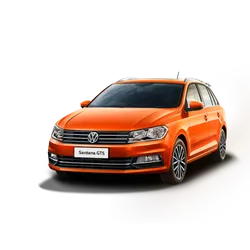
Volkswagen Santana - Generation 2 Overview
Explore the Volkswagen Santana, a notable car model known for its second generation. Learn about its features and specifications to understand this iconic vehicle better in Portugal.

The Volkswagen Santana is a name synonymous with reliability and robust engineering, and its second generation, produced between 1995 and 2005, further solidified its reputation. Launched in various international...
History and Features
Mycarro AI
Apr 27, 2025
The Volkswagen Santana is a name synonymous with reliability and robust engineering, and its second generation, produced between 1995 and 2005, further solidified its reputation. Launched in various international markets, including both Europe and Asia, the Santana Generation 2 stood out due to its combination of practicality and performance, making it a popular choice among families and fleet operators.
Design and Specifications
The second generation Santana showcased an evolution in its design, maintaining the classic sedan silhouette while integrating modern styling cues that were prevalent in the 1990s. The front end featured a more angular look, with refined headlights and a slightly larger grille, reflecting Volkswagen's design language of the time. The rear continued the familiar shape but included redesigned taillights, contributing to a more contemporary appearance.
Under the hood, the Santana Generation 2 offered a range of engines that appealed to a diverse customer base. Engine choices ranged from efficient inline-fours to more powerful units, including options of both gasoline and diesel variants. This assortment ensured that consumers could select a model that aligned with their preferences for performance and fuel economy. The suspension system also received improvements, offering a more comfortable ride while maintaining Volkswagen's signature driving dynamics.
Interior and Comfort
Inside, the Santana Generation 2 was designed with a focus on comfort and usability. The cabin was spacious, providing ample legroom and headroom for both front and rear occupants. High-quality materials were used throughout, ensuring durability and a pleasant driving experience. The layout was driver-focused, with ergonomic controls within easy reach. Additionally, the vehicle offered a variety of features such as adjustable seating, air conditioning, and a sound system that catered to the mid-90s market.
Cargo space was another highlight for the Santana Generation 2, as its trunk offered competitive capacity for a compact sedan. This made it an ideal choice for families or anyone who required extra storage for daily errands or travel, solidifying its reputation as a practical family car.
Performance and Handling
The performance of the Volkswagen Santana Generation 2 was impressive for a car in its class. The engine variants provided a good balance between power and fuel efficiency, which was crucial during a time when fuel prices fluctuated. The handling was nimble for a sedan, allowing for confident maneuvering in urban environments and stability on the highway.
The second generation Santana also featured front-wheel drive, which helped in both traction and overall weight distribution, further enhancing the driving experience. The combination of a responsive suspension and electronic steering made it easy to handle, whether navigating through crowded city streets or tackling winding country roads.
Safety Features
Safety was an increasingly important aspect of car design by the time the Santana Generation 2 was launched. It came equipped with several safety features intended to provide peace of mind on the road. Depending on the model and trim level, features such as anti-lock brakes, dual airbags, and child safety locks were available. These enhancements reflected Volkswagen's commitment to integrating safety into their designs.
Marketplace and Legacy
The Volkswagen Santana Generation 2 quickly found a strong place in the marketplace. Its reputation for dependability made it a preferred option not only for private owners but also for taxi services and companies in need of reliable fleet vehicles. The combination of affordability, lower maintenance costs, and efficiency ensured that it maintained its popularity throughout its production run.
Conclusion
The Volkswagen Santana Generation 2 represents an important chapter in the legacy of the Santana nameplate. It successfully blended style, practicality, and performance into a package that appealed to a broad audience. Today, the second-generation Santana continues to be remembered fondly by enthusiasts and former owners alike, marking it as a significant vehicle in Volkswagen’s lineup during the 1990s and early 2000s. As a testament to the brand's engineering prowess and commitment to customer satisfaction, the Santana Generation 2 remains an emblem of automotive reliability and comfort.