
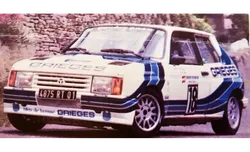
Talbot Samba - First Generation Overview
Explore the Talbot Samba and its first generation. This iconic model is a must-see for classic car enthusiasts, especially in Portugal.
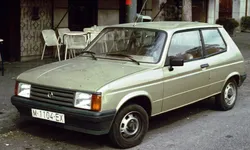
The Talbot Samba Generation 1, also known simply as the Samba, was a small car produced by the French automaker Talbot between 1981 and 1986. This compact hatchback was designed as a successor to the S...
Technical Specifications
Select Version
Dimensions
Engine
Driving
Others
History and Features
Mycarro AI
Feb 1, 2024
Introduction
The Talbot Samba Generation 1, also known simply as the Samba, was a small car produced by the French automaker Talbot between 1981 and 1986. This compact hatchback was designed as a successor to the Simca 1000 and was aimed at the growing market of small, economical cars.
Design and Features
The first-generation Talbot Samba had a distinct design that set it apart from its competitors. It boasted a boxy yet aerodynamic shape with a sloping rear end, giving it a unique and modern appearance. The car was compact in size, making it perfect for city driving and parking in tight spaces. Furthermore, it featured a hatchback design, providing easy access to the spacious cargo area.
Inside, the Samba offered a comfortable and practical cabin. It could comfortably accommodate four passengers, with ample headroom and legroom despite its compact size. The dashboard layout was simple and functional, with easy-to-reach controls and clear instrumentation. Additionally, the Samba came with several optional features and trims, allowing buyers to personalize their cars to their liking.
Performance and Handling
Under the hood, the Talbot Samba Generation 1 was offered with a range of engines to suit different needs. The entry-level models were equipped with a 1.0-liter four-cylinder engine, which provided adequate power for everyday driving. For those seeking more performance, there was also a 1.3-liter engine option available, delivering a more spirited driving experience.
Thanks to its small size and light weight, the Samba offered nimble handling and good maneuverability. The car was known for its responsive steering, allowing drivers to easily navigate through city streets and tight corners. Additionally, the suspension system provided a comfortable ride, smoothing out bumps and imperfections on the road.
Safety and Reliability
In terms of safety, the Talbot Samba Generation 1 featured several standard safety features for its time. These included seat belts, head restraints, and a rigid body structure. However, it should be noted that the car lacked some modern safety features that are considered standard today, such as airbags and ABS.
In terms of reliability, the Samba had a reputation for being a solid and durable car. Its simple mechanical design and robust build quality made it relatively easy to maintain and service. With proper care, the Samba could provide many years of trouble-free motoring, making it a popular choice among budget-conscious buyers.
Legacy and Impact
Although the Talbot Samba Generation 1 was not a groundbreaking car, it played a significant role in the automotive industry of its time. It was one of the first small cars to offer a combination of practicality, good performance, and affordability, making it a popular choice among young drivers and families. Furthermore, it laid the foundation for future generations of compact cars, influencing the design and engineering of future models.
Conclusion
The Talbot Samba Generation 1 may not be remembered as a revolutionary car, but it left an indelible mark on the automotive landscape of the early 1980s. It offered a stylish design, practical features, and enjoyable driving dynamics, all at an affordable price point. Whether as a reliable daily driver or an economical city runabout, the Samba proved to be a versatile and popular choice for car buyers during its production run.