
Nissan Skyline Generation 3 C10 Overview
Explore the Nissan Skyline Generation 3 C10, a remarkable model celebrated for its performance. Discover its features and specifications, highlighting its significance in the automotive world, including insights related to Portugal.
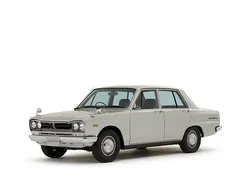
The Nissan Skyline Generation 3, commonly known as the C10, was produced from 1969 to 1972. This generation marked a significant evolution in the Skyline lineage, bringing wi...
Technical Specifications
Select Version
Dimensions
Engine
Driving
Others
History and Features
Mycarro AI
Apr 27, 2025
Introduction to the C10 Skyline
The Nissan Skyline Generation 3, commonly known as the C10, was produced from 1969 to 1972. This generation marked a significant evolution in the Skyline lineage, bringing with it a combination of innovative engineering and distinctive design elements that made it both a performance icon and a staple in Japanese automotive culture. The C10 was not just a vehicle; it was a vehicle that perfectly encapsulated the spirit of a burgeoning automotive industry and automobile enthusiasts during this era.
Design and Aesthetics
The design of the C10 Skyline was groundbreaking for its time. It featured a sleek and elongated body that exuded a sporty yet sophisticated vibe. This generation was characterized by its unique slightly sloped roofline, broad shoulders, and angular lines, which were reminiscent of contemporary American cars while still retaining a distinctly Japanese flavor. The front end featured those iconic quad headlights that many enthusiasts still recognize today. It was this perfect balance of style and functionality that garnered attention and solidified the Skyline's place in the automotive zeitgeist of the late 1960s and early 1970s.
Performance and Engineering
The C10 was notable not only for its design but also for the engineering advancements it introduced. Upon its release, buyers had the option of several inline-six engines, including the 1.5L G15 and the more powerful 2.0L G20, which offered enhanced performance tailored for both daily driving and spirited adventures. The vehicle's rear-wheel-drive layout contributed to its impressive handling and grip, allowing drivers to experience an exhilarating ride without sacrificing comfort. Additionally, the introduction of the available 2.0L S20 engine, derived from the Prince R8 engine, introduced racing enthusiasts to the oil-burners that would soon dominate motorsport.
Interior Comfort and Features
Inside the C10, Nissan sought to provide a comfortable and driver-focused environment. The cabin featured high-quality materials for its time, focusing on practicality without sacrificing aesthetics. An array of gauges kept drivers well-informed about their vehicle's performance, and a spacious rear seat offered passengers ample legroom, making it suitable for longer journeys. The C10 also introduced several features that were considered advanced at the time, such as an optional sunroof and a decent audio system, elevating the overall driving experience.
The Evolution of Lightweight Performance
Nissan meticulously designed the C10 to facilitate nimble handling and performance. The lightweight structure was a culmination of thoughtful engineering, enabling the Skyline to achieve impressive power-to-weight ratios. During the C10 era, Nissan harnessed advancements in manufacturing processes and materials that contributed to this philosophy. This focus on lightweight construction solidified its reputation in motorsports, where the C10 achieved considerable success in racing circuits, most notably in Group 5 and Group 2 categories.
The End of an Era and Legacy
Production of the C10 Skyline came to a close in 1972, but its legacy would pave the way for subsequent generations. The C10 laid the foundation for what the Skyline would become, embracing performance and aesthetic appeal in equal measure. While it may not have the same ubiquitous status as later generations, the C10 is celebrated among car collectors and enthusiasts who acknowledge its pivotal role in the development of one of Japan's most revered performance vehicles.
Conclusion: A Timeless Classic
The Nissan Skyline Generation 3 (C10) remains an unforgettable chapter in automotive history. Its compelling blend of performance, design, and innovation set the stage for what would become an iconic series. For fans and collectors, the C10 is not merely a car; it is a symbol of an era that emphasized passion, creativity, and the relentless pursuit of automotive excellence. As we look back on its impact, it is clear that the C10 Skyline deserves a lasting place in the pantheon of classic cars, an enduring testament to Nissan's engineering heritage.