

Nissan Prairie Generation 2 M11 Overview
Explore the Nissan Prairie and its Generation 2 M11 model. Learn about features, specifications, and performance statistics of this innovative vehicle available in Portugal.
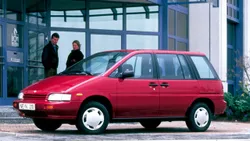
The Nissan Prairie, particularly its second generation known as the M11, exemplifies a unique chapter in automotive history that merged practicality with a distinctive design. Launched in 1988, the M11 was a si...
Technical Specifications
Select Version
Dimensions
Engine
Driving
Others
History and Features
Mycarro AI
Apr 26, 2025
The Nissan Prairie, particularly its second generation known as the M11, exemplifies a unique chapter in automotive history that merged practicality with a distinctive design. Launched in 1988, the M11 was a significant shift from its predecessor, debuting with a more rounded silhouette that aimed to capture the essence of family-friendly vehicles while maintaining a sporty edge. This generation was produced until 1998 and saw several updates along its lifespan, making it a noteworthy option in the minivan segment.
Design and Features
The Nissan Prairie M11 pioneered a design that focused on aerodynamics, featuring a smoother and more streamlined body compared to the boxy shape of the first generation. Its distinct dual-sliding door system made it easy for passengers to enter and exit, a particularly important feature for families. The M11 emphasized space and versatility, with ample interior room for both passengers and cargo. The expansive greenhouse design provided excellent visibility for all occupants, contributing to a sense of roominess inside the vehicle.
In terms of interior design, Nissan included a wide array of features that emphasized comfort and convenience. Depending on the trim level, the M11 offered reclining seats, adjustable steering columns, and optional sunroofs, enhancing the overall driving experience. The car also focused on incorporating technology ahead of its time, providing options for air conditioning, various audio systems, and even innovations like centralized locking systems. These features made the M11 not only practical but also competitive against its contemporaries.
Performance and Engine Options
When it came to performance, the Nissan Prairie M11 offered multiple engine options, catering to different driver preferences and requirements. The most common engines were inline-four units, including the 2.0-liter variant, providing a balance between power and fuel efficiency. There was also a 2.4-liter engine option that offered enhanced performance for those seeking a more dynamic driving experience. While the M11 was not particularly a performance-oriented vehicle, its engine lineup ensured it was reliable and sufficient for daily commuting and family outings.
The vehicle's suspension setup was designed to provide comfort over various terrains, making it suitable for both city and suburban driving. This comforting ride quality was complemented by the option of a four-wheel-drive system, enhancing its capability in adverse weather conditions. The overall driving dynamics were commendable, providing a good blend of comfort and responsiveness that appealed to a broad audience.
Market Position and Reception
The Nissan Prairie M11 entered the market during a time when the demand for family-oriented vehicles was on the rise. Competing with models like the Honda Odyssey and Toyota Previa, the M11 was well-received for its practicality, spaciousness, and innovative design. Reviewers praised its comfortable ride and thoughtful interior layout, which made it particularly attractive to families. However, some noted that the M11 lacked some of the flashier features found in its rivals, which might have limited its appeal to buyers seeking a more modern aesthetic.
Evolution and Legacy
Over the years, the M11 saw various updates to keep it relevant in a rapidly changing automotive landscape. Mid-cycle refreshes introduced new styling elements and updated interior features that aligned with consumer preferences. By the end of its production in 1998, the M11 had established itself as a reliable choice for families, often remembered for its practicality rather than its performance or sporty characteristics.
Today, the Nissan Prairie M11 has become somewhat of a collector's item, appealing to enthusiasts who appreciate its unique design and history. Though it may not have the widespread recognition of more iconic models, its impact on the minivan market is notable, paving the way for the family vehicles that would follow.
Conclusion
In conclusion, the Nissan Prairie Generation 2 (M11) represents a significant evolution in Nissan's approach to family vehicles. Its combination of practical design, comfort, and versatility made it a popular choice during its production years. While it may not dominate car enthusiast discussions today, the M11’s place in history as a compact family van will forever be remembered. For those who encounter one of these rare vehicles, it serves as a reminder of an era when minivans were designed with families in mind, blending functionality with thoughtful features intended to enhance daily life.