
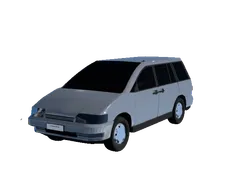
Nissan Prairie Generation 1 M10 Overview
Explore the Nissan Prairie and its Generation 1 M10 features. Discover specifications, performance, and design details about this innovative vehicle available in Portugal.

The Nissan Prairie, also known as the Nissan Axxess in some markets, made its debut in the late 1980s as part of Nissan's effort to break into the multi-purpose vehicle segment. The first generation, known as t...
Technical Specifications
Select Version
Dimensions
Engine
Driving
Others
History and Features
Mycarro AI
Apr 27, 2025
The Nissan Prairie, also known as the Nissan Axxess in some markets, made its debut in the late 1980s as part of Nissan's effort to break into the multi-purpose vehicle segment. The first generation, known as the M10, was manufactured from 1981 to 1988 and played a significant role in shaping Nissan's reputation for versatile and practical vehicles. This innovative design not only gained a following in Japan but also helped to create a niche for minivans in various global markets.
Design and Features
The M10 Prairie was engineered with a unique wedge-shaped body, offering a distinct aesthetic that set it apart from other vehicles in its category. Its compact dimensions belied its spacious interior, which was designed to accommodate up to seven passengers. The clever use of space allowed for multiple seating configurations, making it highly adaptable for families and groups. It featured a sliding door on the side, a characteristic design in minivans that enhanced accessibility, particularly in tight parking situations.
Inside, the Prairie was equipped with a range of practical features aimed at comfort and convenience. With a focus on passenger-friendly design, it boasted ample legroom and headspace. The interior materials were functional yet durable, ensuring the vehicle could withstand the wear and tear of daily use. Cargo space was generous, with the rear seat able to fold down to maximize capacity for transporting goods.
Engine and Performance
Under the hood, the Nissan Prairie M10 came with a variety of engine options, primarily focusing on fuel efficiency and reliability. The base model featured a 1.8-liter engine, while more powerful options included a 2.0-liter engine, both available in inline-four configurations. These engines provided adequate power for urban driving while maintaining commendable fuel economy, a significant selling point for families and budget-conscious consumers.
The M10 was available in both front-wheel drive and all-wheel-drive configurations, with the former being more prevalent. The driving experience was defined by a focus on comfort rather than performance, making it suitable for everyday use. Its suspension system was designed to absorb bumps effectively, allowing for a smooth ride even on uneven surfaces.
Market Reception and Legacy
Upon its release, the Nissan Prairie received positive reviews from both consumers and critics alike. Its practical design, coupled with a competitive price point, made it an attractive choice for families looking for a reliable vehicle. As other manufacturers jumped into the minivan market, the Prairie stood out with its distinctive styling and innovative features.
The success of the M10 generation ultimately paved the way for future iterations of the model. It influenced Nissan's design philosophy in subsequent years, ushering in a new era of compact multipurpose vehicles that would cater to the rising demand for versatile family transport. The legacy of the Prairie can also be seen in Nissan’s later offerings, which embraced similar design cues and functional attributes.
Conclusion
The Nissan Prairie Generation 1 (M10) established a strong foundation for the brand's entry into the minivan segment. With its innovative design, practical features, and reliable performance, it resonated well with consumers during its production run. Although the Prairie may not be as widely recognized as its competitors today, it holds an important place in automotive history as one of the pioneering vehicles in the multi-purpose vehicle category. As the automotive world continues to evolve, the influence of the M10 remains visible in the diverse range of family-oriented vehicles available today.