
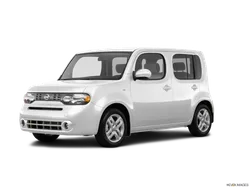
Nissan Cube - Generation 1 Z10 Overview
Explore the Nissan Cube, focusing on its Generation 1 Z10 model. Discover features, specs, and insights about this unique vehicle in Portugal.
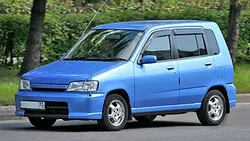
The Nissan Cube Generation 1, also known as the Z10, first hit the roads in 1998, marking the beginning of a unique automotive journey that would see the Cube become a stapl...
Technical Specifications
Select Version
Dimensions
Engine
Driving
Others
History and Features
Mycarro AI
Apr 27, 2025
Introduction to the Nissan Cube Z10
The Nissan Cube Generation 1, also known as the Z10, first hit the roads in 1998, marking the beginning of a unique automotive journey that would see the Cube become a staple in compact car design. This first generation was produced until 2002 and was available primarily in the Japanese domestic market. The Z10 is notable for its quirky, boxy shape and commitment to functionality over style, making it a significant player in the evolving landscape of compact vehicles.
Design and Exterior Features
The exterior design of the Nissan Cube Z10 is nothing short of distinctive. With its rounded edges and oversized windows, the Cube wasn’t designed to follow conventional automotive aesthetics. The overall silhouette appears almost cartoonish, which helped it stand out in an era dominated by more traditional sedan designs. The short hood and the vertically oriented rear hatch maximized the interior space, a key selling point for potential buyers. The Cube's philanthropic approach to design also encouraged various unique color options and patterns, making it easy for customization.
Interior and Comfort
Step inside the Cube Z10, and the unconventional design philosophy continues. The spacious interior was an immediate draw, featuring wide-opening doors that granted easy access to both front and rear seats. The seating arrangement prioritized comfort — with ample headroom and legroom — a significant advantage for city driving and longer journeys alike. The Z10 adopted a minimalist dashboard layout, embracing an ergonomic yet practical arrangement of controls. Cargo space was also impressive, further solidifying the car's identity as a highly functional urban vehicle.
Engine Specifications and Performance
Under the hood, the first-generation Cube offered a variety of engine options, most commonly the 1.3-liter and 1.4-liter inline-four engines. These engines were paired with either a four-speed automatic or a five-speed manual transmission, allowing for a smooth driving experience suitable for city environments. While performance was not the Cube's primary focus, it managed to provide enough power for everyday commuting tasks, with fuel efficiency being a stronger selling point. The lightweight design contributed to nimble handling, making it well-suited for urban navigation.
Safety Features
In terms of safety, the Nissan Cube Z10 included standard features for its time, such as airbags and anti-lock braking systems (ABS) in some models. However, it’s essential to note that safety technology was not as advanced during its production years as it is today. As a result, the Z10 was average when compared to other vehicles in its class regarding safety ratings. Despite that, Nissan made strides in utilizing high-strength materials, contributing to the overall structural integrity of the vehicle.
Legacy and Cultural Impact
The Nissan Cube Z10's impact transcended its initial production years; it became a cultural icon, particularly in Japan. It caught the attention of a diverse demographic, appealing to young urban dwellers, families, and those seeking an affordable but stylish compact car. The Cube's minimalist design and pragmatic approach embodied the essence of the Japanese "kei car" philosophy - small, practical, and efficient. By the time the Z10 was succeeded by the second generation, its influence had reshaped perceptions surrounding compact cars, paving the way for future iterations.
Conclusion
The Nissan Cube Generation 1 (Z10) holds a unique place in automotive history, representing an innovative shift in compact car design. Its quirky aesthetics, practical interior, and emphasis on comfort allowed it to carve out a niche that resonated with many drivers. As we look back at the Z10, it is apparent that this distinctive vehicle not only fulfilled its purpose of efficient city driving but also left an indelible mark on car enthusiasts and casual drivers alike. The Cube's charm continues to inspire admiration, showcasing how creativity in design can defy conventional norms and create a legacy of individuality.