
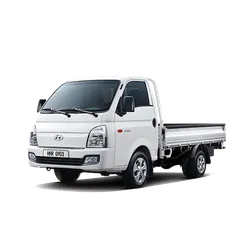
Hyundai H-100 Generation 1 Facelift 1996 Overview
Explore the Hyundai H-100 and its Generation 1 Facelift from 1996. Discover specifications, features, and more about this iconic model, popular in Portugal.
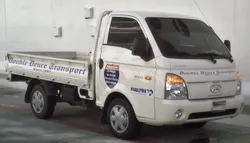
The Hyundai H-100 Generation 1, also known as the Hyundai Porter in some markets, is a light commercial vehicle that was produced by the South Korean automaker Hyundai Motors. The Gener...
Technical Specifications
Select Version
Dimensions
Engine
Driving
Others
History and Features
Mycarro AI
Feb 1, 2024
Introduction
The Hyundai H-100 Generation 1, also known as the Hyundai Porter in some markets, is a light commercial vehicle that was produced by the South Korean automaker Hyundai Motors. The Generation 1 of the H-100 received a facelift in 1996, bringing some significant changes to the design and features of the vehicle. This generation played a crucial role in establishing Hyundai as a reputable brand in the commercial vehicle segment.
Design and Styling
The facelifted H-100 Generation 1 featured a more modern and streamlined design compared to its predecessor. The front-end received major updates with a redesigned grille, new headlights, and updated bumpers, giving the vehicle a refreshed and more contemporary look. The interior of the H-100 also received some improvements with upgraded materials and improved ergonomics.
Performance and Powertrain
Under the hood, the facelifted Hyundai H-100 Generation 1 was powered by a range of four-cylinder diesel engines. These engines delivered sufficient power and torque for a light commercial vehicle and offered a good balance between performance and fuel efficiency. The H-100 was known for its reliability and durability, making it a popular choice among businesses that required a dependable workhorse.
Features and Technology
The facelifted H-100 Generation 1 featured several updated features and technologies. Depending on the trim level, it offered power steering, air conditioning, electric windows, and central locking. Safety features included dual airbags and ABS brakes, which were not commonly found in this segment at that time. These additions enhanced the overall comfort and convenience of the vehicle, making it a more attractive option for commercial purposes.
Versatility and Practicality
The Hyundai H-100 Generation 1 was highly regarded for its versatility and practicality. It was available in various body configurations, including panel van, pickup, and minibus, catering to a wide range of business needs. The H-100 boasted a spacious cargo area and generous load capacity, allowing for efficient transportation of goods and equipment. Additionally, the minibus variant offered comfortable seating for passengers, making it suitable for shuttle services.
Market Reception and Legacy
The facelifted Hyundai H-100 Generation 1 was well received in the market and gained popularity among businesses and fleet operators. Its reliability, affordability, and low maintenance costs were significant factors contributing to its success. The H-100 laid the foundation for Hyundai's success in the light commercial vehicle segment, and subsequent generations further built upon the strong reputation established by this model.
Conclusion
The Hyundai H-100 Generation 1, with its facelift in 1996, brought significant updates and improvements to this commercial vehicle. Its modern design, improved features, and versatile configurations made it a popular choice among businesses. The H-100 established Hyundai as a capable player in the commercial vehicle market and set the stage for future generations to come.