
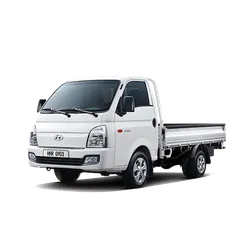
Hyundai H-100 - Generation 1 Facelift 1993 Overview
Explore the Hyundai H-100 Generation 1 facelift from 1993. Discover its features, specifications, and the impressive legacy of this iconic model in Portugal.

The Hyundai H-100, also known as the Hyundai Porter in some markets, is a light commercial vehicle that has gained popularity for its versatility and reliability. This article focu...
Technical Specifications
Select Version
Dimensions
Engine
Driving
Others
History and Features
Mycarro AI
Feb 1, 2024
Introduction
The Hyundai H-100, also known as the Hyundai Porter in some markets, is a light commercial vehicle that has gained popularity for its versatility and reliability. This article focuses on the first generation of the H-100, specifically the facelift model that was introduced in 1993.
Design and Features
The facelifted Hyundai H-100 of 1993 brought significant changes to the overall design of the vehicle. It featured an updated front grille and headlights, giving it a more modern and stylish look. The interior also received some improvements, such as a redesigned dashboard and upgraded upholstery. These changes made the H-100 a more comfortable and appealing option in the light commercial vehicle segment.
Performance and Engine
Under the hood, the facelifted Hyundai H-100 came equipped with a robust and efficient engine. It featured a 2.5-liter turbocharged diesel engine, delivering ample power and torque for its intended purpose as a utility vehicle. This engine was known for its reliability and fuel efficiency, making it a popular choice among business owners and fleet operators.
Versatility and Practicality
One of the key strengths of the Hyundai H-100 Generation 1 was its versatility and practicality. With its spacious cargo area and generous payload capacity, it was an ideal choice for various industries such as delivery services and construction. The H-100 could transport heavy loads with ease, thanks to its durable suspension and strong chassis. Additionally, it offered a comfortable cabin for the driver and passengers, making long journeys more enjoyable.
Safety and Technology
While safety features in light commercial vehicles were not as advanced during the early 1990s, the facelifted Hyundai H-100 showcased some notable improvements. It featured upgraded brakes and improved handling for better control on the road. Additionally, the cabin was equipped with seat belts and airbags to enhance occupant safety. Although technology was not as advanced as it is today, the H-100 was equipped with basic amenities such as a radio and power windows.
Legacy and Impact
The Hyundai H-100 Generation 1 (facelift 1993) left a lasting impact on the light commercial vehicle market. Its combination of reliability, versatility, and affordability made it a popular choice among small businesses and entrepreneurs. The success of the first-generation H-100 laid the foundation for future models, with Hyundai continuing to refine and improve the vehicle over subsequent generations.
Conclusion
In conclusion, the Hyundai H-100 Generation 1 (facelift 1993) is a notable model in the light commercial vehicle segment. Its updated design, improved features, and strong performance made it a popular choice among business owners and fleet operators. With its versatility and practicality, the H-100 proved itself as a reliable workhorse that could handle a variety of tasks. The legacy of the first-generation H-100 continues to influence the design and development of modern-day light commercial vehicles, cementing its place in automotive history.