
Ford Anglia - Generation 4 - 105E Cars
Discover the classic Ford Anglia Generation 4 - 105E in Portugal. Explore specifications, features, and history of this iconic car model. Don’t miss out on owning a piece of automotive heritage!
The Ford Anglia 105E, introduced in 1961, marked a significant evolution in the Anglia model series that first debuted in 1939. The fourth generation, known as the 105E, was...
Technical Specifications
Select Version
Dimensions
Engine
Driving
Others
History and Features
Mycarro AI
Apr 27, 2025
Introduction to the Ford Anglia 105E
The Ford Anglia 105E, introduced in 1961, marked a significant evolution in the Anglia model series that first debuted in 1939. The fourth generation, known as the 105E, was designed by the famous Ford engineer, A.C. W. K. Jones, featuring a more modern aesthetic and a host of technical upgrades. It quickly became a popular choice for drivers in the UK and beyond, winning accolades for its affordability, style, and practicality. The Anglia 105E maintained the central theme of delivering a reliable family car while incorporating a distinctively sporty edge.
Design and Features
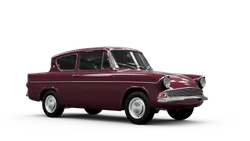
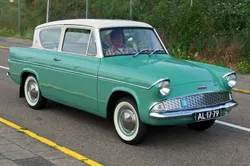
The Ford Anglia 105E was known for its distinctive design and innovative features. The exterior boasted a clean-cut shape with a sloping rear, giving it a sleeker look compared to its rounder predecessors. Its unique "dog-leg" rear window was particularly notable and became a hallmark of the model. The compact body, available as both a two-door saloon and a four-door variant, allowed for easy maneuverability in urban settings while retaining ample interior space for passengers and luggage.
One of the significant advancements for the Anglia 105E was its revamped suspension system. Featuring a wishbone setup at the front and semi-elliptical leaf springs at the rear, the vehicle offered improved handling characteristics over earlier models. The incorporation of rack-and-pinion steering further enhanced driver confidence and control, making the 105E a more enjoyable drive.
Engine and Performance
Under the hood, the Ford Anglia 105E housed a 997 cc K-series engine that could deliver around 39 horsepower. While this may not seem powerful by today’s standards, it was quite sufficient for the car’s lightweight frame. The engine was paired with a four-speed manual transmission, ensuring that the vehicle was responsive during city driving and capable on open roads. The 0-60 mph time was approximately 24 seconds, allowing for decent acceleration, particularly given the car’s small stature.
Fuel efficiency was another selling point for the Anglia 105E. With a consumption rate of around 35 miles per gallon, it appealed to the budget-conscious consumer looking for a cost-effective transportation solution. Its low running costs made it a favorite for families as well as young drivers entering the automotive realm.
Cultural Impact
The Ford Anglia 105E not only made waves in the automotive industry but also in popular culture. Its quirky design and unique features captured the attention of car enthusiasts and the general public alike. One of the most famous portrayals of the Anglia came through its role in the Harry Potter franchise as the Weasley family’s flying car. This representation helped solidify the Anglia 105E as a beloved classic among many generations.
In its heyday, the 105E also filled a vital role in British motorsport. The lightweight construction and nimble handling made it a popular choice for amateur racing and rallying, producing several champions in local events. This connection to sportiness contributed to the car’s image as not just a family vehicle but also a fun and lively driving experience.
Legacy and Conclusion
The Ford Anglia 105E continued to be in production until 1968, after which it was succeeded by the Ford Escort. Despite its relatively short production span, the Anglia 105E left a lasting impression on the automotive landscape. Classic car enthusiasts today celebrate the model for its unique design, engineering innovations, and cultural significance.
The Ford Anglia 105E stands as a testament to Ford's ability to adapt and evolve in a competitive market. Its combination of practicality, performance, and personality ensures that it remains a cherished classic in automotive history, appealing to collectors and casual fans alike. As one looks back on the late 20th century automotive evolution, the Ford Anglia 105E firmly holds its place as a remarkable vehicle that defined its generation.