
Val-d'Oise - History and Features in France
Explore the Val-d'Oise region in France, known for its rich history and unique features. Discover what makes this area a fascinating destination.
Val-d'Oise: A Hidden Gem in the Île-de-France Region
Mycarro AI
Jul 31, 2026
Overview of Val-d'Oise
Val-d'Oise is a department located in the northern suburbs of Paris, France. Established in 1968, this region takes its name from the Oise River, which flows through it. Part of the Île-de-France region, Val-d'Oise combines urban and rural elements, making it a dynamic area that attracts both residents and visitors. The department is known for its rich history, cultural heritage, and diverse landscapes, ranging from picturesque villages to bustling towns.
Historical Significance
Val-d'Oise has a deep-rooted historical background that dates back to ancient times. The region was originally inhabited by the Gallic tribe known as the Parisians and later became part of the Roman Empire, evident through various archaeological sites scattered throughout the department. Notably, the town of Pontoise served as a notable stopping point on the way to Paris during medieval times. Furthermore, the area has been a witness to numerous significant events throughout French history, such as the French Revolution and World War II.
Natural Beauty
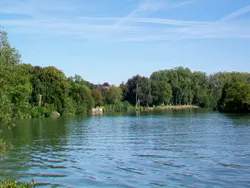
One of the most captivating aspects of Val-d'Oise is its natural beauty. The region is filled with parks, forests, and rolling countryside that create a tranquil setting for residents and visitors alike. The Parc naturel régional du Vexin français, for instance, is a large nature reserve that spans most of the department, offering multiple trails for hiking, cycling, and horseback riding. This park is a biodiversity hotspot, home to a range of flora and fauna that are essential to the countryside's ecological balance.
Cultural Hotspots
Val-d'Oise is not only about nature; it is also home to numerous cultural hotspots. The department boasts several historical castles, churches, and museums that reflect its rich cultural heritage. The Château de la Roche-Guyon, a stunning medieval castle perched on the banks of the Seine, is one such landmark. This site, along with the Musée Pissaro in Pontoise, dedicated to the famous Impressionist painter Camille Pissarro, attracts art enthusiasts and history buffs alike. Events and festivals, such as the internationally recognized "Festival de l'Histoire de l'Art," showcase the department’s commitment to cultural exploration.
Urban and Suburban Features
The towns in Val-d'Oise, including Argenteuil, Cesson, and Saint-Ouen-l'Aumône offer a unique blend of urban and suburban living. These areas feature modern amenities while retaining their quaint charm. Argenteuil, for example, is known for its picturesque views of the Seine River and has developed into a vibrant suburb of Paris with shopping centers, theaters, and restaurants. Residents enjoy easy access to the capital, making Val-d'Oise an ideal place for those who seek a balance between city life and the tranquility of suburban living.
Economic Development
Val-d'Oise's economy is diverse and continues to grow, driven by various sectors, including technology, retail, and agriculture. The business-friendly environment, combined with proximity to Paris, has attracted numerous companies to set up operations in the area. Local initiatives to promote entrepreneurship and innovation have also contributed to the region's economic growth. Additionally, the agricultural sector plays a significant role in the local economy, producing a variety of crops and livestock that are integral parts of the Île-de-France food supply.
The Future of Val-d'Oise
Looking ahead, Val-d'Oise aims to balance development with preserving its rich heritage and natural surroundings. Urban planning efforts are underway to improve transportation infrastructure and enhance public services while maintaining environmental sustainability. As it evolves, Val-d'Oise is poised to become an even more attractive destination for families, businesses, and tourists seeking the charm of suburban life close to Paris.
In summary, Val-d'Oise is a region that encompasses the best of both worlds—historic significance and modern convenience. With its beautiful landscapes, vibrant culture, and forward-thinking economic strategies, it stands out as a hidden gem within the Île-de-France region.