
About the Region: History and Features of Pas-de-Calais
Explore the rich history and unique features of Pas-de-Calais, France. Discover its cultural heritage, landmarks, and why it's a captivating destination for visitors.
Pas-de-Calais: A Gateway to History and Natural Beauty
Mycarro AI
Jul 31, 2026
Introduction to Pas-de-Calais
Pas-de-Calais, a department in northern France, is rich in history and natural beauty. Located along the northern coast, it is bordered by the English Channel to the north and the departments of Somme, Aisne, and Nord to the southeast and west. The departmental capital is Arras, a city renowned for its exceptional architecture and captivating historical significance. The name "Pas-de-Calais" translates to "the step of Calais", which reflects the region's strategic location as a historical gateway between France and England.
Historical Significance
The history of Pas-de-Calais is intricate and layered, with influences from various periods. The region has seen many pivotal events, particularly during the First World War. Several battlefield sites, including the infamous Vimy Ridge, draw millions of visitors annually who come to commemorate and learn about the sacrifices made during the war. The remnants of the past are visible in the war memorials and museums scattered throughout the department, giving insight into the hardships faced by the local populace during tumultuous times.
Cultural Heritage
Pas-de-Calais is a melting pot of cultures, shaped by its geographic location and historical interactions. The blend of French and Flemish cultures is evident in the region’s architecture, cuisine, and dialect. Festivals celebrating local traditions can be observed throughout the year, showcasing folk music, dance, and gastronomy that reflect the area’s rich heritage. Visitors should not miss enjoying local specialties such as "carbonnade flamande", a beef stew prepared with beer, and "gaufres" or waffles, a sweet delight that embodies the region's culinary prowess.
Natural Wonders
In addition to its historical importance, Pas-de-Calais boasts stunning natural landscapes. The Côte d'Opale, or Opal Coast, is one of the most stunning stretches of coastline in France, characterized by its dramatic cliffs, sandy beaches, and vibrant turquoise waters. Outdoor enthusiasts will find a variety of activities, including hiking, cycling, and bird watching in the picturesque settings of the Parc Naturel Régional des Caps et Marais d’Opale. The seaside charm combined with the region's lush greenery offers captivating vistas and unparalleled opportunities for exploration.
Architectural Marvels
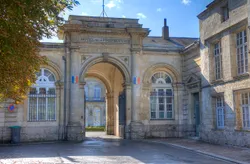
The architectural diversity in Pas-de-Calais is worth noting, with structures ranging from ancient castles to modern edifices. The city of Arras is famous for its splendid Grand Place, recognized as one of the most beautiful squares in France. With its Flemish Baroque facades and splendid belfry, the square is a premier example of the harmonious blend of cultural influences. Additionally, the Beffroi of Arras—an iconic bell tower—has been classified as a UNESCO World Heritage site.
Modern Developments
Today, Pas-de-Calais is not just a site of historical interest; it is also a hub for commerce and tourism. The region has seen significant investment in its infrastructure, making it more accessible to both domestic and international travelers. New hotels, restaurants, and attractions reflect the area's commitment to promoting tourism while honoring its rich history. The development of the Eurostar train service has further propelled the region into the limelight, making it easier for visitors from the UK and beyond to explore its offerings.
Conclusion
Pas-de-Calais is a destination that harmoniously combines a rich historical narrative with stunning natural landscapes. It invites travelers to explore its past while immersing themselves in its cultural traditions and contemporary developments. Whether you are wandering through the memorials of the First World War, savoring local delicacies, or simply enjoying the breathtaking views along the Opal Coast, Pas-de-Calais promises a unique and enriching experience that caters to every kind of visitor. Embrace the beauty and history of this captivating region, and it will surely leave an indelible mark on your heart.