
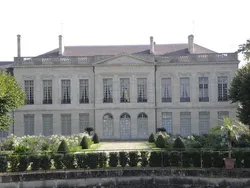
France Marne History and Features Overview
Explore the rich history and unique features of Marne, France. Delve into cultural highlights and historical landmarks that define this fascinating region.
Marne: The Jewel of Northeastern France
Mycarro AI
Jul 31, 2026
Geography and Location
The Marne department is situated in the northeastern part of France and is part of the Grand Est region. It is bordered by the departments of Aube to the south, Haute-Marne to the east, and the Meuse and Ardennes to the north. This picturesque area is nestled gently along the banks of the Marne River, from which it derives its name. It encompasses diverse terrains, including gentle hills, fertile plains, and the enchanting vineyards of the Champagne region. This varied geography contributes to its agricultural richness and scenic beauty, making it a hidden gem well worth exploring.
Historical Significance
The historical significance of Marne can be traced back to ancient times. Originally inhabited by Celtic tribes, the region later became a crucial area for the Romans who recognized its strategic importance. In the medieval period, Marne witnessed numerous events, including the Hundred Years’ War and the Wars of Religion. The city of Reims, the capital of Marne, is famous for its historical importance as it served as the site for the coronation of French kings, underlining the region's influence in shaping France's political and cultural landscape.
During World War I, Marne became infamous for the First Battle of the Marne in September 1914. This pivotal battle marked a significant turning point in the war and was fought between the Allies and the German Empire. The region became a battleground, and many towns were destroyed. The aftermath of the war left an indelible impact on Marne, with numerous memorials commemorating the sacrifices made during this tumultuous period.
Champagne Region
One of the primary reasons for Marne's worldwide recognition is its inclusion in the Champagne wine region. This area is renowned for producing the bubbly drink that has become synonymous with celebrations. The vineyards of Champagne stretch along the rolling hills and valleys of Marne, offering visitors a chance to explore the intricacies of champagne production. The wine houses, ranging from small family-run operations to larger houses with extensive histories, welcome oenophiles to indulge in tastings and tours that showcase the art and science of champagne-making.
The Champagne houses in Marne, such as Moët & Chandon and Veuve Clicquot, come alive with visitors eager to learn about the pressing, fermenting, and ageing processes that produce this world-famous wine. This rich viticultural heritage not only provides an economic backbone for the region but also enhances its cultural identity, celebrated annually in festivals dedicated to the harvest.
Cultural Attractions
Beyond the vineyards, Marne is home to a multitude of cultural attractions. The city of Reims, known for its majestic Gothic cathedral, is a UNESCO World Heritage site. This architectural wonder features stunning stained glass windows and intricate stone carvings, making it a must-see for anyone visiting the region. Moreover, the Basilique Saint-Remi, another UNESCO-listed site, holds significant historical importance and is a prime example of Romanesque architecture.
The charming town of Épernay, often called the capital of Champagne, boasts elegant boulevards and sophisticated tasting rooms. Visitors can stroll along the Avenue de Champagne, lined with grand maisons de champagne, while taking in the historic charm of this vibrant town. Other attractions in the department include ancient castles, museums, and beautiful parks that reflect the diverse history and culture of Marne.
Culinary Delights
Marne’s culinary scene is as varied as its landscapes. While champagne takes center stage, the region is also famous for its gastronomic delights. Local specialties include the biscuit rose de Reims, a pink biscuit that pairs perfectly with champagne and the famous chaource cheese, which has a creamy texture and is a delightful addition to any cheese board. Dining in Marne allows visitors to experience the authentic flavors of the region, with many restaurants showcasing locally sourced ingredients from the land and vineyards.
Conclusion
In conclusion, the Marne department of northeastern France is a treasure trove of historical significance, cultural richness, and culinary delights. From its scenic vineyards producing world-renowned champagne to its historic cities steeped in the legacy of events that shaped France, Marne offers something for everyone. Whether traversing the rolling hills of vineyards, exploring ancient cathedrals, or indulging in local delicacies, a visit to Marne is sure to be an enriching and memorable experience.