
History and Features of Haute-Garonne, France
Explore the rich history and unique features of Haute-Garonne, France. Discover its distinctive culture, landscapes, and attractions that make it a fascinating region.
Haute-Garonne: A Gem in Southwestern France
Mycarro AI
Jul 31, 2026
Introduction to Haute-Garonne
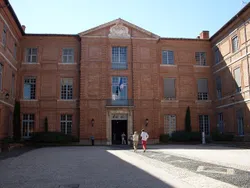
Located in the Occitanie region of southwestern France, Haute-Garonne is a department rich in culture, history, and natural beauty. Established during the French Revolution in 1790, the department is named after the Garonne River, which flows through it, providing both sustenance and scenic views. Its capital, Toulouse, is a vibrant city often referred to as "La Ville Rose" due to the distinctive pink terracotta buildings that mark its skyline. Haute-Garonne offers a unique blend of urban charm and stunning countryside, making it a sought-after destination for tourists and locals alike.
The Cultural Charm of Toulouse
As the capital of Haute-Garonne, Toulouse boasts an array of cultural attractions. The city is known for its rich aerospace history, earning it the nickname "La Ville de l'Aéronautique." Visitors can explore the Cité de l'Espace, a theme park dedicated to space exploration that features life-size replicas of rockets and spacecraft. Moreover, the city is home to the Basilique Saint-Sernin, a UNESCO World Heritage site that exemplifies Romanesque architecture. The vibrant plazas and bustling markets like the Marché Victor Hugo further showcase Toulouse’s culinary delights, making it a gastronomic paradise.
Natural Wonders
Beyond the urban environment, Haute-Garonne is characterized by its breathtaking landscapes. The Pyrenees Mountains form the southern boundary of the department, offering opportunities for outdoor activities such as hiking, skiing, and mountain biking. The stunning lakes and valleys, such as the Vallée de l'Ariège, provide idyllic settings for nature lovers. The Garonne River itself offers scenic pathways and the chance for leisurely boat rides, allowing residents and tourists to immerse themselves in the serene surroundings.
Historical Significance
Haute-Garonne is steeped in history, with archaeological sites that date back to the Roman era. The remnants of Roman settlements can be found throughout the department, with landmarks such as the ancient amphitheater in Toulouse and the ruins of Saint-Bertrand-de-Comminges. These historical sites provide a tangible connection to France’s past, allowing visitors to appreciate the region's heritage. The blend of Roman and medieval architecture in towns like Saint-Gaudens further enriches the region's historical narrative.
Festivals and Events
The cultural vibrancy of Haute-Garonne is further highlighted through its various festivals and events. From the internationally acclaimed Festival de Rio Loco, which celebrates world music from different cultures, to the Feast of Saint-Jean celebrated in June, there’s always something happening in the region. Toulouse also hosts a series of art exhibitions, food festivals, and seasonal markets that draw both locals and tourists, enhancing the sense of community and shared culture in the region.
Culinary Delights
Food lovers will find Haute-Garonne to be a culinary haven. Renowned for specialties like cassoulet, a hearty bean stew, and foie gras, the region is home to farms and markets that provide fresh, local produce. Notably, the Toulouse sausage, known as "saucisse de Toulouse," is a must-try for any visitor. The commitment to high-quality ingredients and traditional cooking methods reflects the region’s dedication to gastronomy, making meals an integral part of the Haute-Garonne experience.
Conclusion
In summary, Haute-Garonne is a region that seamlessly blends cultural richness, historical depth, and natural beauty. From the vibrant city life of Toulouse to the serene landscapes of the Pyrenees, there is something to capture the imagination of every traveler. Whether experimenting with local cuisine, exploring historical sites, or simply enjoying the picturesque surroundings, Haute-Garonne offers a uniquely enriching experience that lingers long after one's visit. Discovering this region is undoubtedly a journey worth taking.