
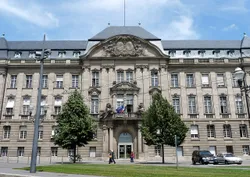
Bas-Rhin History and Features Overview
Explore Bas-Rhin's rich history and unique features. Discover how France's Bas-Rhin region has shaped its cultural landscape and attractions through time.
Bas-Rhin: A Gem of Northeast France
Mycarro AI
Jul 31, 2026
Introduction to Bas-Rhin
Located in the Grand Est region of France, Bas-Rhin is a department that offers a delightful mix of history, culture, and natural beauty. The name "Bas-Rhin" translates to "Lower Rhine," underscoring its geographical positioning along the eastern bank of the Rhine River. Created during the French Revolution in 1790, this department is not only significant for its luscious landscapes and charming towns but also for its cultural heritage that reflects the influences of both French and German history.
Geography and Natural Beauty
Bas-Rhin is characterized by its diverse geography. To the north, it transitions into the plains of Alsace, while the south features the foothills of the Vosges Mountains. The Rhine River itself serves as a natural border with Germany, creating a picturesque landscape that is rich in biodiversity. The department is home to extensive vineyards, lush woodlands, and tranquil rivers, making it a favorable destination for outdoor activities. The Parc Naturel Régional des Vosges du Nord, a UNESCO Biosphere Reserve, showcases the region's commitment to preserving natural habitats and offers visitors a chance to explore its scenic trails.
Historical Significance
Bas-Rhin's history is deeply intertwined with that of the Alsace region, contributing to its unique cultural identity. The area has a rich past that includes Roman settlements, medieval castles, and significant battles during the Two World Wars. Cities like Strasbourg, the capital of the Bas-Rhin department, are steeped in history, featuring landmarks such as the Strasbourg Cathedral, which is a quintessential example of Gothic architecture. The region has changed hands several times between France and Germany, leading to a fascinating blend of cultural influences visible in architecture, language, and culinary traditions.
The Cultural Fabric
Culturally, Bas-Rhin is a tapestry woven from various influences. The inhabitants of this region historically spoke Alsatian, a dialect influenced by both German and French. While French is widely spoken, many locals still cherish their Alsatian roots, strengthening the unique cultural identity of the area. Festivals and events celebrating regional customs, including wine fairs and Christmas markets, play a significant role in community life. The festive atmosphere during these events showcases traditional music, arts, and crafts, attracting both locals and tourists alike.
Culinary Delights
The gastronomy of Bas-Rhin reflects its location at the crossroads of French and German culinary traditions. Ingredients like sauerkraut, sausages, and local wines define the regional cuisine. Flammekueche, a thin-crust tart topped with cream, onions, and bacon, is a beloved dish that embodies the flavors of Alsace. The region’s numerous vineyards are famous for producing white wines, particularly Rieslings and Gewürztraminer, making it a must-visit for wine lovers. Bas-Rhin’s culinary scene is not just about food; it is also about the convivial spirit of sharing meals, often enjoyed at charming bistros and rustic winstubs.
Major Attractions
Apart from Strasbourg, there are several charming towns and villages across Bas-Rhin that are worth exploring. Colmar, known for its beautifully preserved medieval architecture and intricate half-timbered houses, is often hailed as one of the most beautiful towns in France. Riquewihr, another gem, offers not only a glimpse into the past but also serves as a base for wine enthusiasts. The Route des Vins d’Alsace, a scenic wine route, allows visitors to journey through picturesque vineyards while tasting exquisite local wines.
Conclusion
Bas-Rhin is a region where history, culture, and nature converge to create an enchanting experience for those who wander through its landscapes. From the historic streets of Strasbourg to the tranquil vineyards lining the Rhine River, Bas-Rhin entices travelers with its rich heritage and stunning vistas. Whether savoring local delicacies or exploring its charming towns, anyone visiting Bas-Rhin will undoubtedly find a piece of the regional charm that lingers long after their departure.