
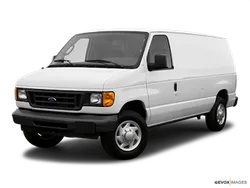
Ford Econoline Generation 3 Models Overview
Explore the Ford Econoline Generation 3 models, their features, and specifications. Learn more about this iconic series in France to find your perfect vehicle.
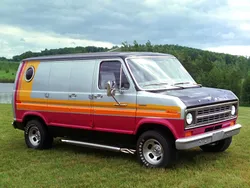
The Ford Econoline Generation 3, also known as the Ford E-Series, was a notable model in Ford's line of full-size vans. Produced from 1975 to 1991, this generation introduced several significant upda...
Technical Specifications
Select Version
Dimensions
Engine
Driving
Others
History and Features
Mycarro AI
Feb 1, 2024
Introduction
The Ford Econoline Generation 3, also known as the Ford E-Series, was a notable model in Ford's line of full-size vans. Produced from 1975 to 1991, this generation introduced several significant updates and improvements that made it a popular choice among businesses, families, and adventurers alike. With its versatile design, reliable performance, and spacious interior, the Econoline Generation 3 quickly became a staple on American roads.
Design and Features
The design of the Ford Econoline Generation 3 displayed a shift towards modernization compared to its predecessors. It featured a more streamlined appearance, with a sloping hood and a larger windshield for improved visibility. The front-end design was refreshed, showcasing a sleeker grille and rounded headlights. The body was available in various configurations, including passenger vans, cargo vans, and even RV-style recreational models.
Inside, the Econoline Generation 3 offered a comfortable and functional cabin space. The ergonomic layout of the driver's area allowed for easy access to all controls, enhancing the driving experience. The rear cargo area was spacious, providing ample room for carrying goods or converting into a camper. Depending on the trim level, options such as power windows, air conditioning, and upgraded sound systems were available, further enhancing the driving comfort.
Performance and Engine Options
The Ford Econoline Generation 3 was available with several engine options, catering to different needs and preferences. The base engine was a 4.9L inline-6 that offered a balance between fuel efficiency and power. For those seeking more power, a range of V8 engines, including 5.0L, 5.8L, and 7.5L variants, were also available. These engines provided ample horsepower and torque, making the Econoline Generation 3 capable of handling heavy payloads and towing.
Despite its size, the Econoline Generation 3 boasted impressive handling and maneuverability. Its responsive steering and well-tuned suspension made it surprisingly agile on the road. Additionally, safety features such as power brakes and optional anti-lock braking system (ABS) ensured enhanced stopping power, providing peace of mind for both drivers and passengers.
Popularity and Legacy
The Ford Econoline Generation 3 gained widespread popularity due to its versatility and reliability. Businesses and contractors appreciated its spacious cargo area, which could be easily customized to fit their specific needs. Families found it an excellent choice for road trips, as it provided ample seating and room for luggage. Moreover, outdoor enthusiasts praised its potential for conversion into a camper, allowing them to explore the outdoors comfortably.
The Econoline Generation 3 left a lasting legacy in the van market, influencing subsequent models and shaping the future of full-size vans. Its robust construction and reliable mechanical components contributed to its reputation for longevity, making it a sought-after vehicle in the used market even decades after its production ceased.
Conclusion
The Ford Econoline Generation 3, with its appealing design, versatile features, and impressive performance, secured its place as a beloved and practical choice for many. Whether utilized for commercial purposes or recreational adventures, this generation of the Econoline successfully met the needs of a diverse range of users. Its enduring popularity and legacy are a testament to the outstanding quality and craftsmanship that Ford dedicated to its production.