
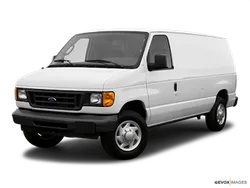
Ford Econoline Generation 2 Overview
Explore the Ford Econoline generation 2, uncover its features and specifications, and learn about its popularity in the used car market in France.
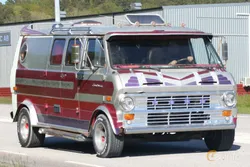
The Ford Econoline Generation 2, also known as the Ford E-Series, is a line of full-size vans that were produced by Ford Motor Company from 1968 to 1974. This generation was the successor to the firs...
Technical Specifications
Select Version
Dimensions
Engine
Driving
Others
History and Features
Mycarro AI
Feb 1, 2024
Introduction
The Ford Econoline Generation 2, also known as the Ford E-Series, is a line of full-size vans that were produced by Ford Motor Company from 1968 to 1974. This generation was the successor to the first generation Econoline and introduced various improvements and upgrades. The Ford Econoline Generation 2 is renowned for its versatility, durable construction, and spacious interior, making it an ideal choice for various purposes.
Design and Features
The second-generation Ford Econoline featured a boxy and utilitarian design, with a front-engined, rear-wheel-drive layout. It was available in a range of body styles, including cargo vans, passenger vans, and pickup trucks. The vans had a simple yet functional interior, designed to maximize storage and hauling capacity. The pickup trucks, commonly referred to as the "Econoline pickups," had a rugged appearance and offered ample space for loading and transporting goods.
Performance and Powertrain
Under the hood, the Ford Econoline Generation 2 offered a range of engine options, providing customers with the flexibility to choose the desired power and performance. The available engines included inline-six and V8 engines, with different power outputs. These engines were coupled with manual or automatic transmissions, delivering smooth and reliable performance on the road. Despite its large size, the Econoline Generation 2 was surprisingly agile and easy to maneuver.
Utility and Versatility
One of the main reasons for the popularity of the Ford Econoline Generation 2 was its exceptional utility and versatility. It was widely used by businesses for commercial purposes, such as delivery services, construction work, and transportation of goods. The spacious cargo area and high payload capacity made it an excellent option for carrying large items, while the passenger van variant could comfortably accommodate a sizeable number of occupants. Additionally, the Econoline Generation 2's towing capability further enhanced its utility.
Impact and Legacy
The Ford Econoline Generation 2 played a significant role in shaping the modern-day full-size van market. Its durable construction, reliable performance, and functional design made it a favorite among drivers and businesses alike. The popularity of the Econoline lineup continued to grow, leading to subsequent generations that further refined and improved upon the features and capabilities of the earlier models.
Conclusion
The Ford Econoline Generation 2, or the Ford E-Series, marked a milestone in the history of full-size vans. With its practical design, powerful engines, and exceptional utility, it became a go-to choice for businesses and individuals seeking a reliable and versatile vehicle. Whether hauling cargo, transporting passengers, or tackling various commercial tasks, the Econoline Generation 2 proved to be a reliable workhorse. Even though it has been succeeded by newer models, its impact and legacy can still be felt in the vans we see on the roads today.