

Fiat Topolino Generation 1 Overview
Explore the Fiat Topolino Generation 1, a classic car model, and learn about its history and features. Discover why this model remains popular in France.
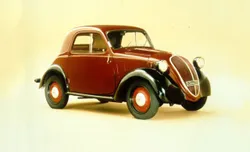
The Fiat Topolino, also known as the Fiat 500 from 1936 to 1955, stands as one of the most iconic vehicles in automotive history. Often regarded as the first "people's car" in Europe, it has garnered a special place i...
Technical Specifications
Select Version
Dimensions
Engine
Driving
Others
History and Features
Mycarro AI
Apr 27, 2025
The Fiat Topolino, also known as the Fiat 500 from 1936 to 1955, stands as one of the most iconic vehicles in automotive history. Often regarded as the first "people's car" in Europe, it has garnered a special place in the hearts of many for its compact size, affordability, and charming design. The first generation of the Topolino was not only a practical vehicle for the masses but also a symbol of engineering ingenuity during a challenging period in history.
Origins and Design
The introduction of the Fiat Topolino came during a time when Europe was on the brink of transformation. Following the economic challenges of the Great Depression, the Topolino was engineered as an affordable vehicle to aid mobility for everyday people. Designed by the renowned engineer Dante Giacosa, it was compact, offering a length of only 3 meters, which made it ideal for navigating narrow streets in urban areas. Its lightweight structure, combined with a sleek, rounded body, showcased the talents of Italian design and aimed to revolutionize how the masses perceived and utilized vehicles.
Performance and Features
Under the hood, the Fiat Topolino was equipped with a modest 569cc inline-four engine, providing a horsepower output of approximately 13. This power might seem minimal by today’s standards, but the car’s light weight allowed it to achieve a respectable top speed of around 50 mph. The rear-wheel-drive layout contributed to its nimble handling, making it particularly adept at maneuvering through winding countryside roads and bustling city streets alike. Additionally, the vehicle boasted a three-speed manual transmission, which ensured that drivers had the control needed for varied driving conditions.
Market Impact and Popularity
Launched during a time of recovery and growth in Europe, the Fiat Topolino quickly became a popular choice among consumers. Its combination of affordability, efficiency, and style helped it thrive, leading to the production of over 500,000 units by 1955. This car was not only a practical choice for families, but it also became a staple among young drivers looking for their first car. The Topolino offered a unique blend of fun and functionality that resonated with many, making it a symbol of the post-war economic boom in Italy.
Cultural Significance
The Fiat Topolino transcended its role as merely a mode of transport; it became a cultural icon in Italy and beyond. It was prominently featured in various forms of media, including films, art, and literature. With its whimsical design and approachable price point, it captured the imagination of a generation and became synonymous with freedom and independence for its drivers. The charming aesthetics of the Topolino also made it a popular choice for customization and personalization, further embedding it into the fabric of mid-20th century culture.
Conclusion
As the first generation of the Fiat Topolino rolled off the production line, it left an indelible mark on the automotive industry and the broader cultural landscape. Boasting a combination of superb engineering, delightful design, and accessible pricing, the Topolino served as a bridge for many into the world of car ownership. Even today, it is celebrated by enthusiasts and collectors who appreciate its historical significance and charm. The legacy of the Topolino lives on, reminding us of the power that a small, inexpensive vehicle can wield in shaping society and culture.